Way of the Intercepting Fist
Preserving and transmitting the art of Jeet Kune Do with accuracy, integrity, and full resistance.
Jeet Kune Do — literally “The Way of the Intercepting Fist” — is the martial art and philosophy created by Bruce Lee beginning in 1965, following his private fight with Wong Jack Man in Oakland, California.
It is not a fixed style. It is a concept — a process of liberation from the constraints of tradition, form, and dogma. JKD draws from Wing Chun, boxing, fencing, wrestling, and any discipline that offers something true. What works is kept. What does not is discarded without sentiment.
The art is organized around the Five Ways of Attack, the principle of economy of motion, and the commitment to full resistance sparring as the only valid test of technique. Forms are training tools. The fight is the curriculum.
The Jeet Kune Do World Council (JKDWC) was founded to preserve this art as it was developed — not as it has been diluted by those who never tested their techniques against fully resisting opponents.
Jeet Kune Do is not merely a fighting system. It is a philosophy of liberation — applied to combat, to training, and to life.
JKD rejects the tyranny of tradition. Bruce Lee studied Wing Chun, boxing, fencing, wrestling, and more — keeping what was effective and discarding what was not. Truth is the only authority.
Adaptability is the highest virtue. Water has no form of its own — it takes the shape of its container. In combat, rigidity is death.
Every movement must serve a purpose. No telegraphing. No wasted energy. The shortest distance between two points is a straight line — and JKD takes that line.
JKD does not recognize forms, belts, or ceremonial techniques as the art itself. The only valid test is combat against a fully resisting opponent.
Bruce Lee begins his martial arts journey in Hong Kong under Yip Man, the legendary Wing Chun master. Lee trains in traditional Wing Chun, developing the foundation that would later be dismantled and rebuilt into Jeet Kune Do.
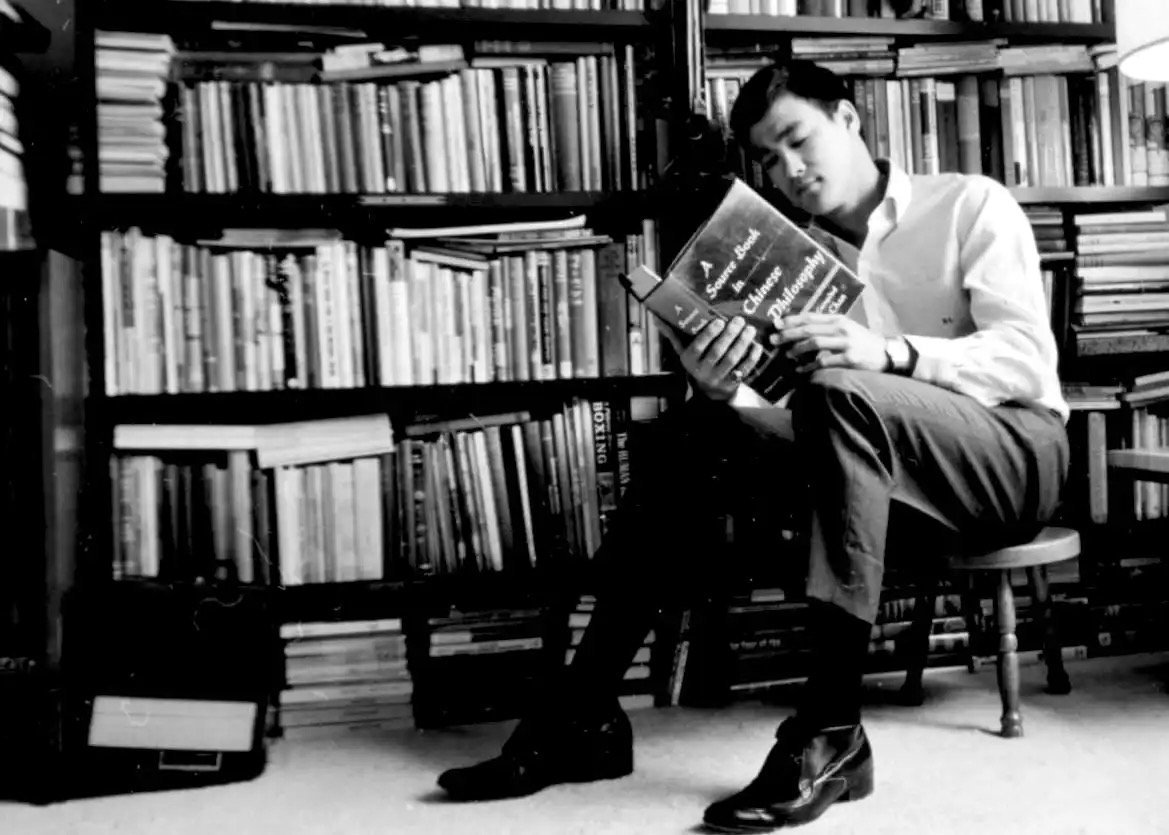
Bruce Lee moves to the United States, eventually settling in Seattle. He begins teaching martial arts and studying philosophy at the University of Washington.
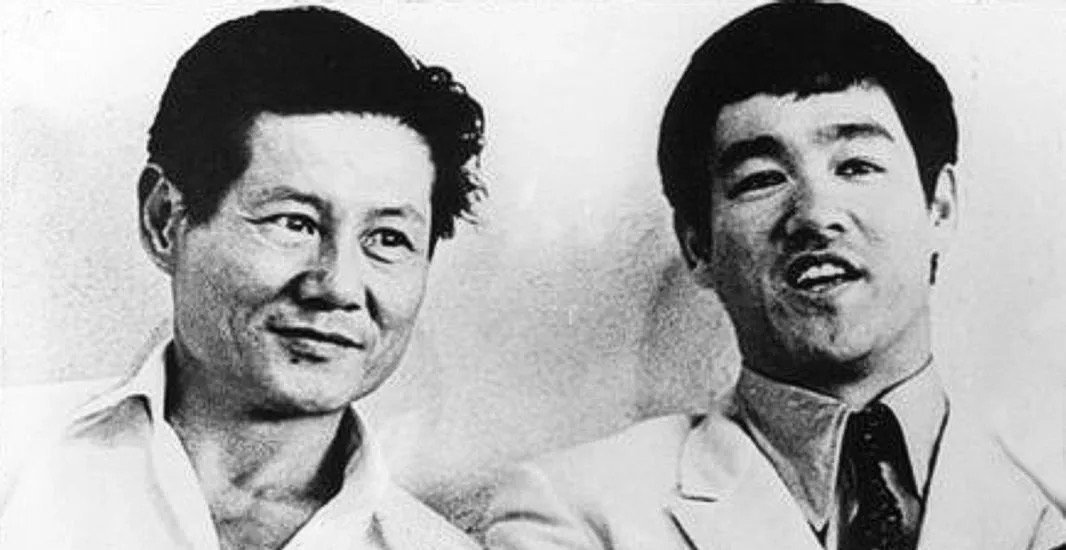
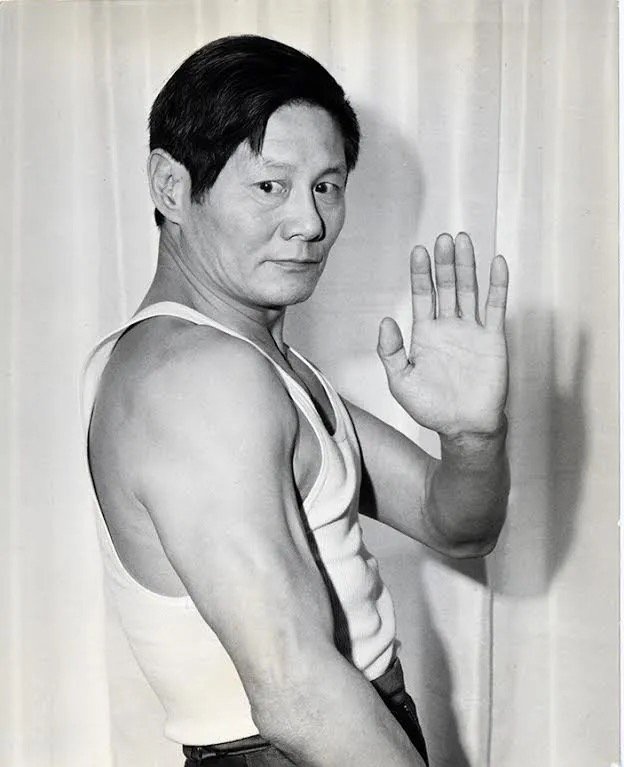
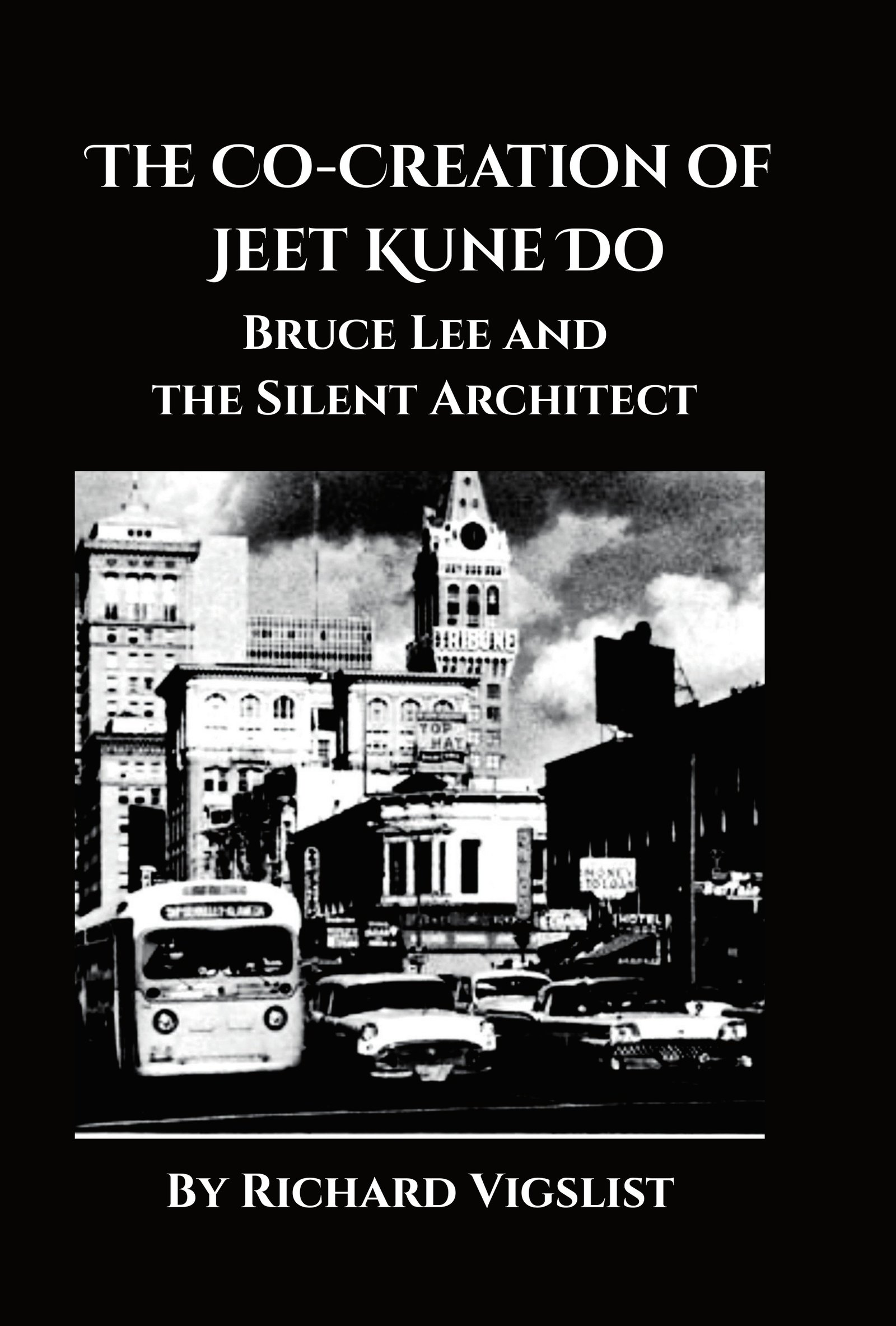
Bruce Lee meets James Yimm Lee in Oakland — a pivotal collaboration. His contributions as a co-creator are the subject of The Co-Creation of Jeet Kune Do by Richard Vigslist.
Following his fight with Wong Jack Man in Oakland, Bruce Lee dismantles everything — forms, styles, limitations — and forges a new approach rooted in directness and truth.
“Jeet Kune Do” — The Way of the Intercepting Fist — is formally coined. He opens the Los Angeles Chinatown school. JKD is declared a concept, not a style.
Bruce Lee passes away on July 20, 1973, at age 32. His notebooks — compiled into Tao of Jeet Kune Do (1975) — become one of the most important martial arts texts ever published.
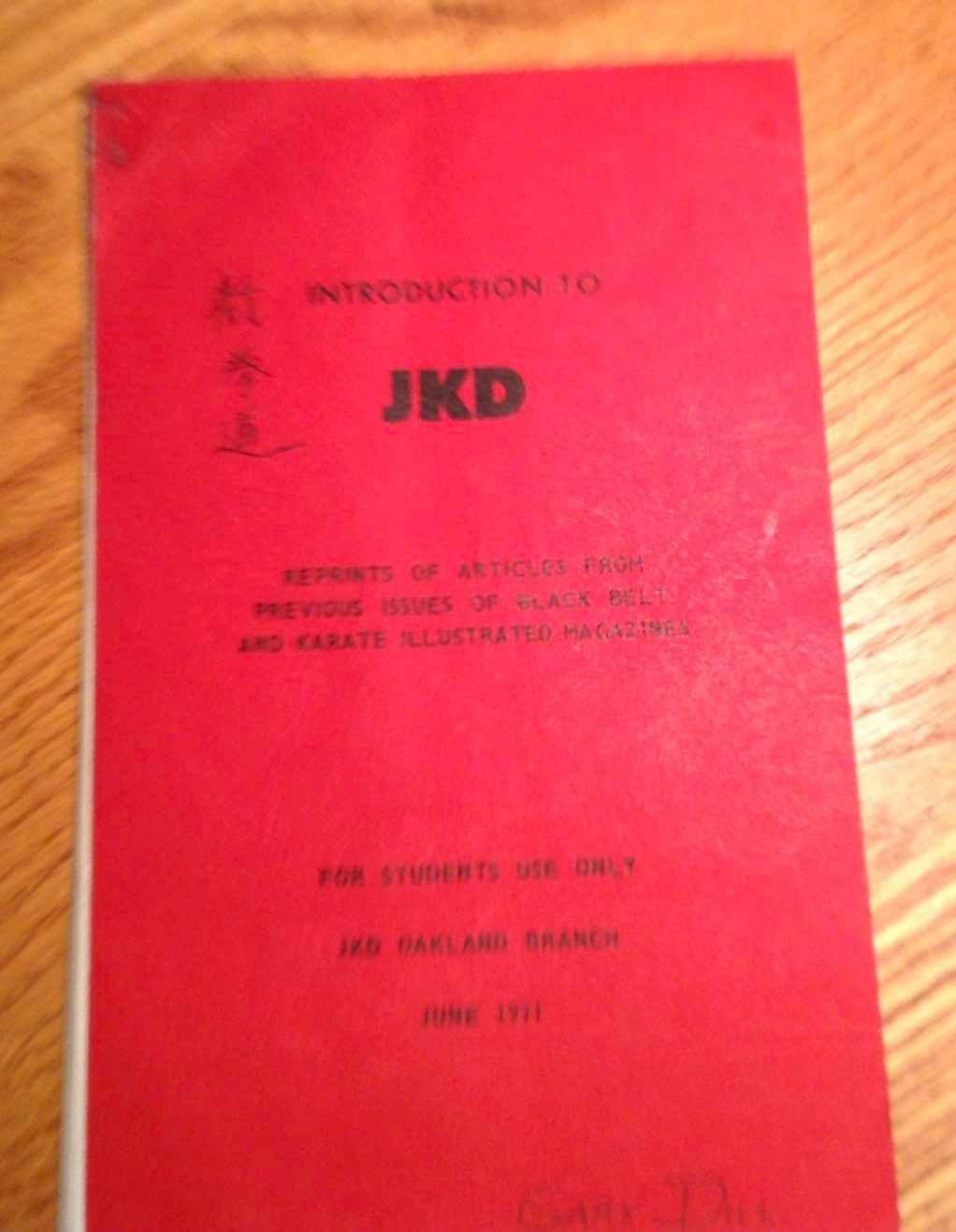
Beginning in 1996, Richard trains under Gary Dill — one of the few original students who trained at Bruce Lee’s Oakland school. Contact with Ted Wong, Richard Bustillo, Tim Tackett, Leo Fong, and Jerry Poteet.
The JKDWC carries the art forward. Verified instructors. A commitment to accuracy, full resistance, and the preservation of Jeet Kune Do as it was developed.
The JKD fighting stance: mobile, balanced, deceptive. Strong hand and foot forward. Minimizes target exposure while maximizing striking efficiency.
Single Direct Attack (SDA), Attack by Combination (ABC), Progressive Indirect Attack (PIA), Hand Immobilization Attack (HIA), Attack by Drawing (ABD).
Derived from boxing and fencing. Constant mobility via the push-step and slide-step to close distance, create angles, and evade.
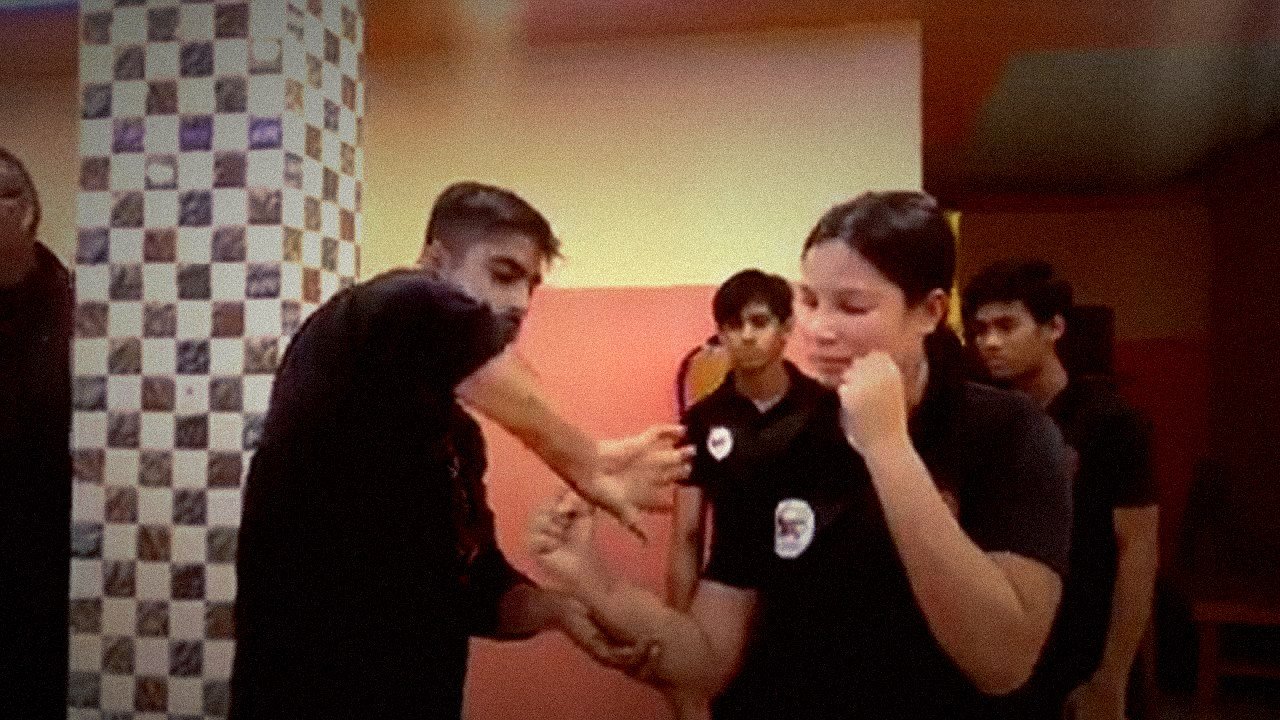
Inherited from Wing Chun, trapping controls the opponent’s limbs to create openings. A bridge between ranges.
The defining technique of JKD. Rather than blocking and then countering, the stop hit intercepts the attack with a simultaneous strike. One motion.
Kicking, punching, trapping, and grappling. The complete JKD practitioner is capable at all four and transitions between them without hesitation.
Through Chi Sao (sticky hands) and Lat Sao (free flow), JKD practitioners develop tactile sensitivity — the ability to read an opponent’s intent through physical contact.
This is where real JKD lives. Every technique tested against a fully resisting opponent. JKDWC instructors are required to spar. No exceptions.
The untold story of James Yimm Lee — the Oakland martial artist whose collaboration with Bruce Lee was instrumental in the development of Jeet Kune Do.
View on Amazon →
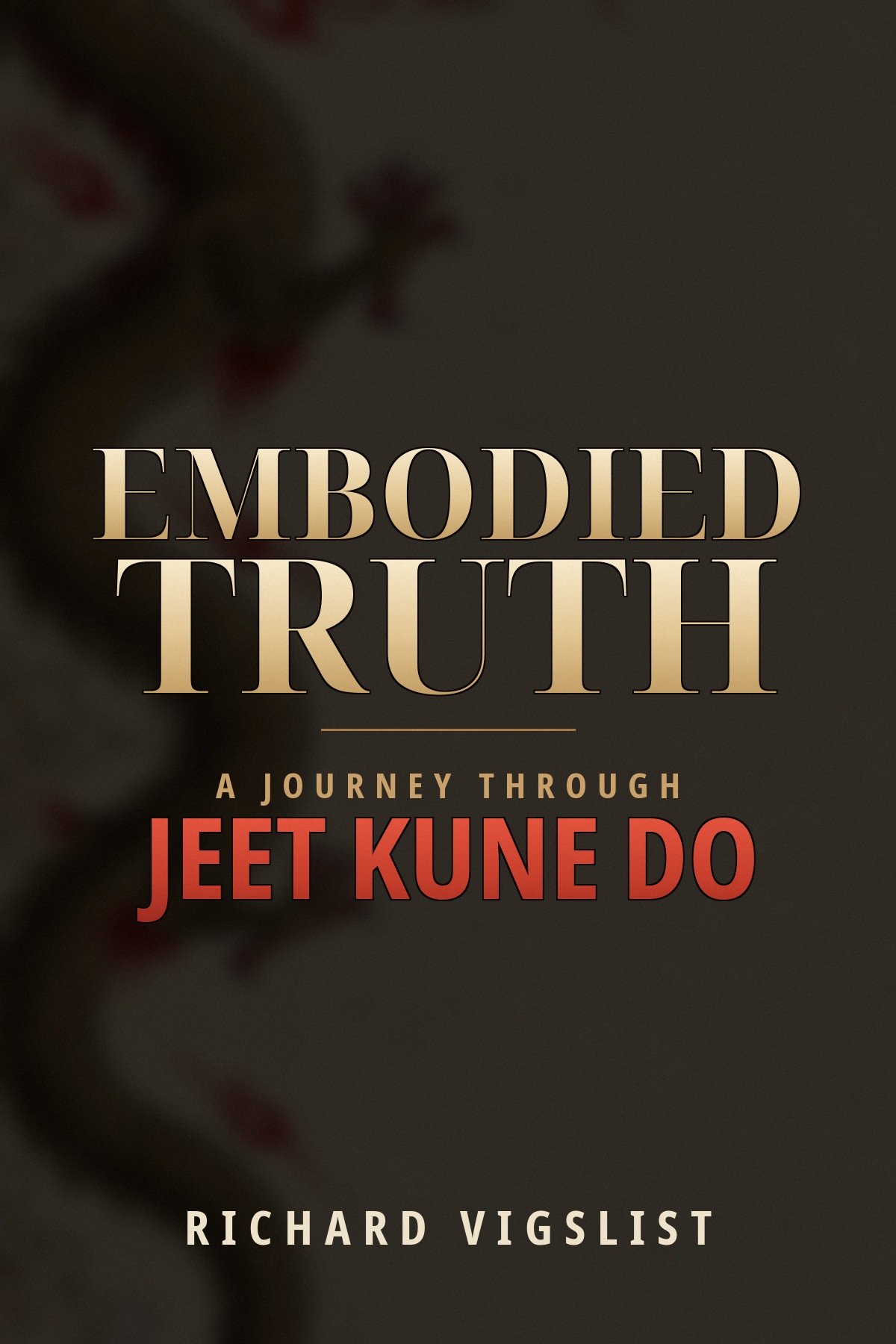
The follow-up exploring what it means to embody the art — not merely know it intellectually. The mastery phase is not about more techniques. It is about less.
The Jeet Kune Do World Council is dedicated to preserving and transmitting the art of Jeet Kune Do with accuracy and integrity.
Payment processing coming soon. For inquiries:
jkdwcinfo@gmail.com3 rounds. 60 seconds each. Execute the combo sequence before time runs out. The bag swings when you hit it. Build streaks for multipliers. This is how JKD trains — under pressure, with precision.
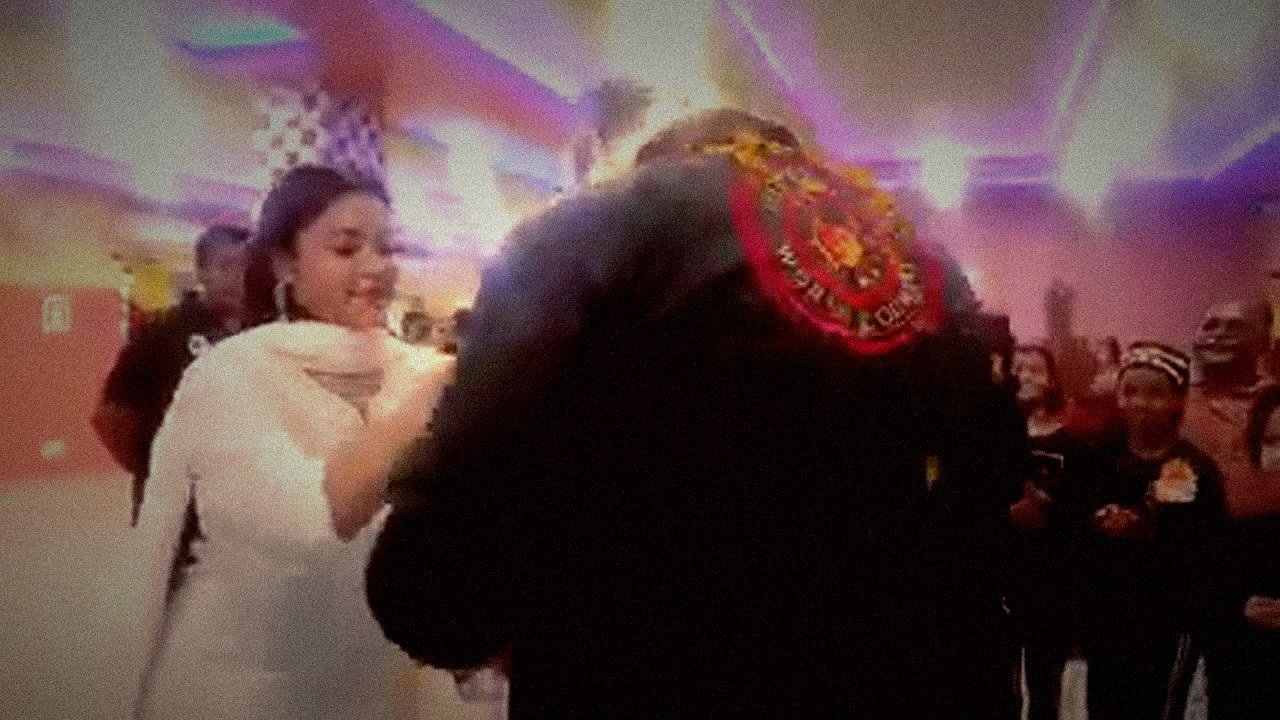
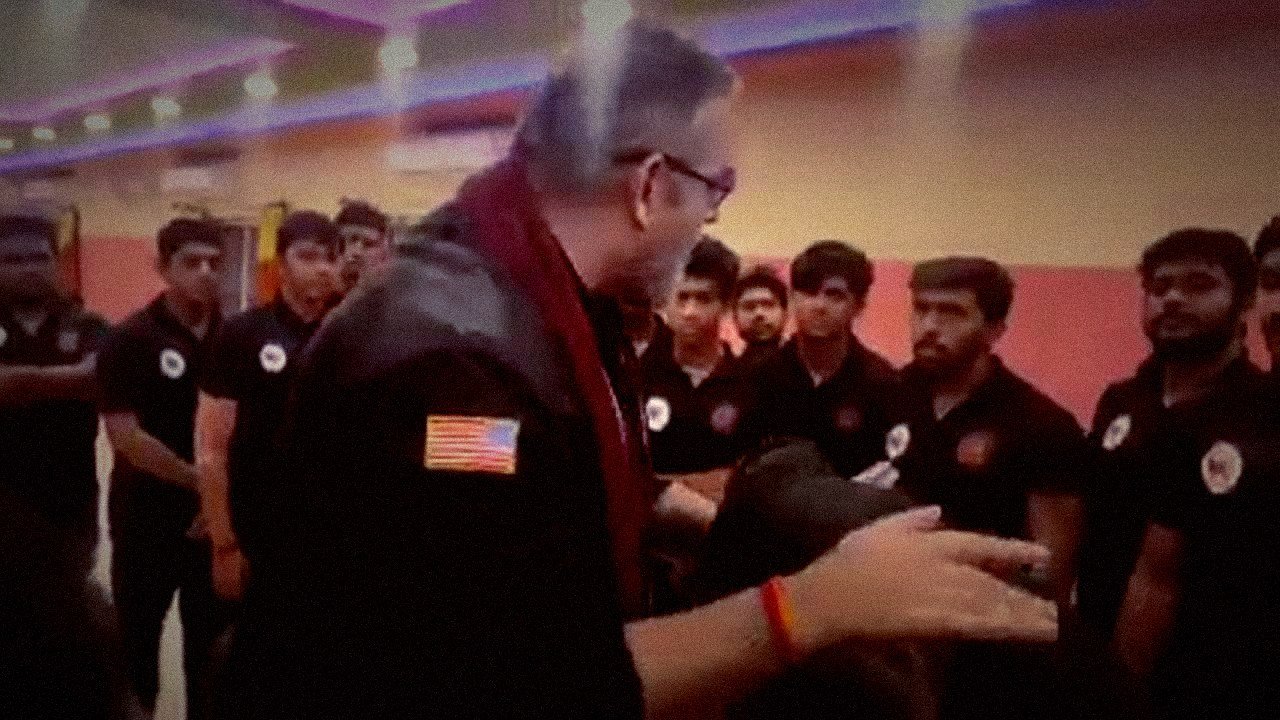
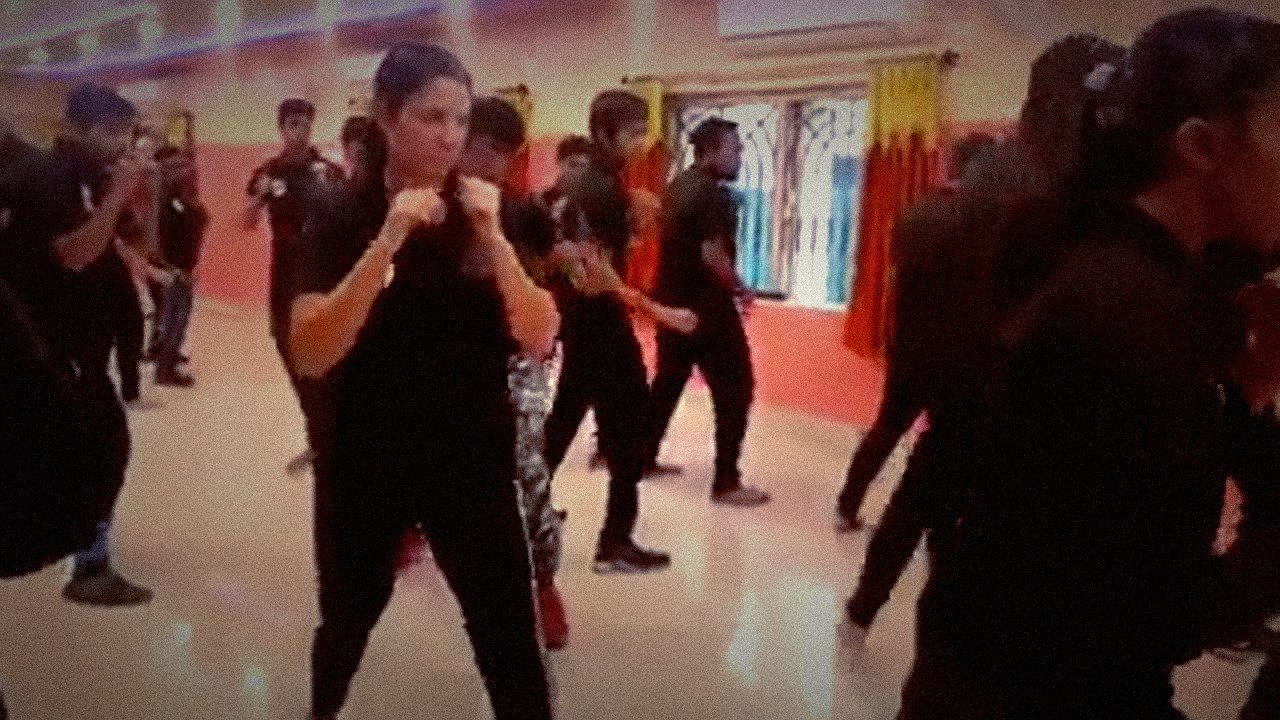
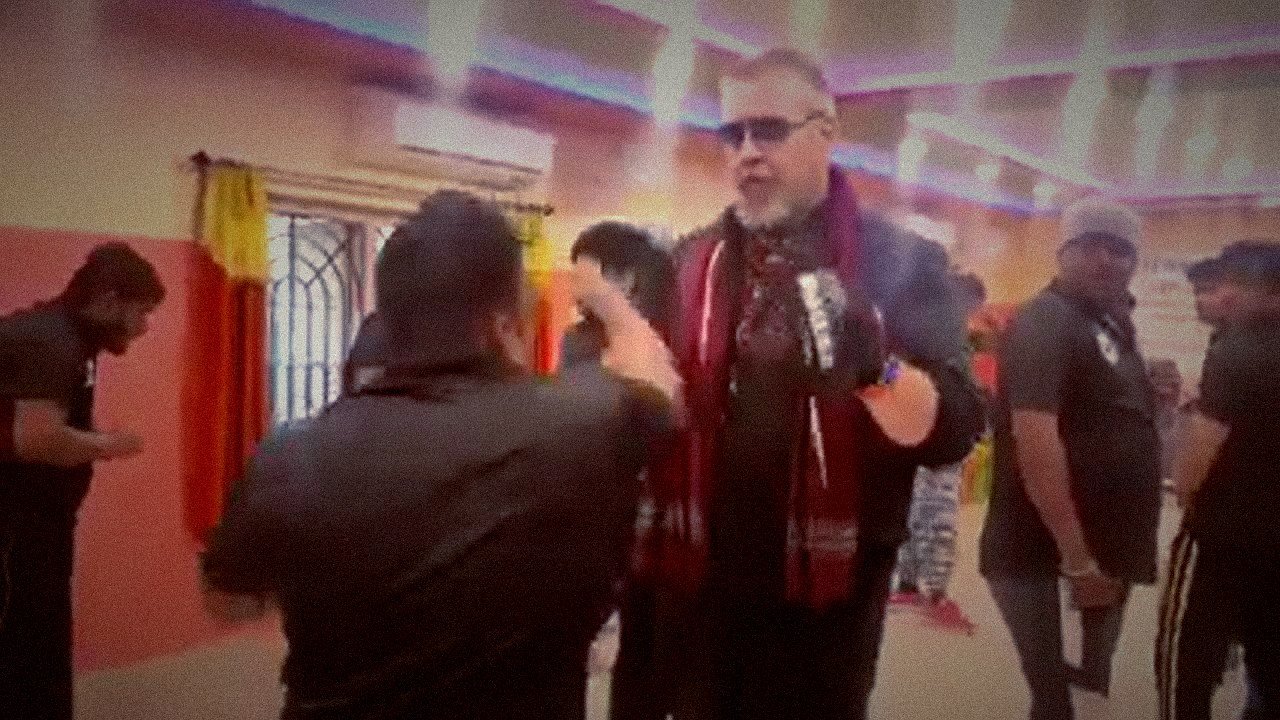
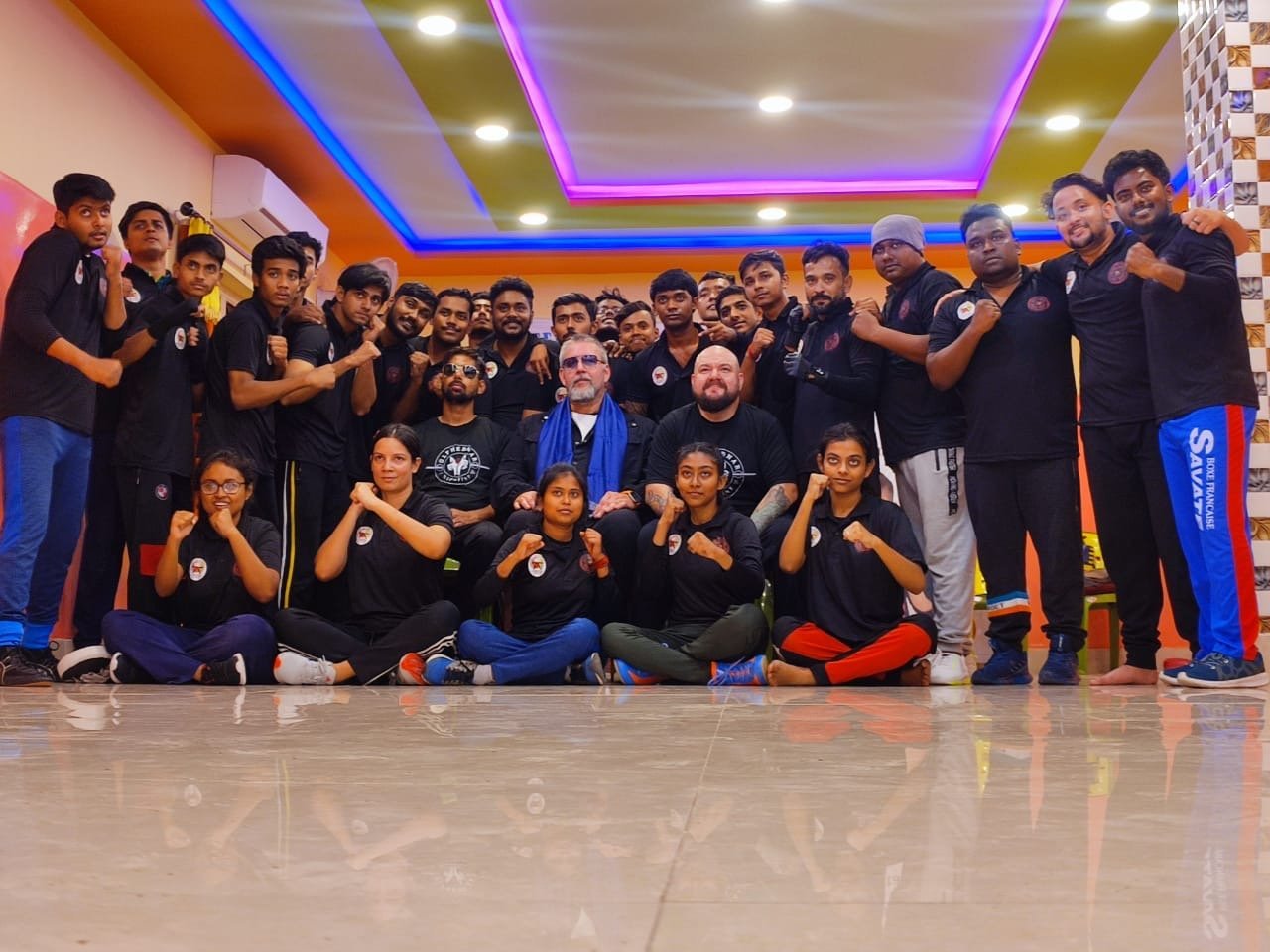
Richard Vigslist has been training since age 5. Nearly three decades in Jeet Kune Do. A Brazilian Jiu-Jitsu black belt. A Muay Thai coach. A USA Boxing coach. He has studied, competed in, and taught multiple martial arts across the USA and internationally — including seminars in India.
His primary JKD training was under Gary Dill — one of the few original students who trained at Bruce Lee’s Oakland school while Bruce was still alive — with whom he trained for over 15 years. Contact with Ted Wong, Richard Bustillo, Tim Tackett, Leo Fong, and Jerry Poteet (student of Dan Inosanto). Personal correspondence with Joe Lewis during Lewis’s final year.
Richard is the author of The Co-Creation of Jeet Kune Do: Bruce Lee and the Silent Architect — a book that gives long-overdue recognition to James Yimm Lee’s role in the art’s development. His forthcoming book, Embodied Truth, explores the student mastery phase of JKD.